We're here to help
Struggling to decide on the right artificial greenery? Need help designing your space? Contact Evergreen today info@evergreenwalls.com.au
Struggling to decide on the right artificial greenery? Need help designing your space? Contact Evergreen today info@evergreenwalls.com.au
Walk into a room that stops you in your tracks and look around. There's almost always a plant in it somewhere. Not because the owner has a green thumb - but because whoever styled it understood something most people miss: furniture fills a room, but greenery makes it feel like complete.
Expensive rooms are easy to spot. Designed rooms are harder to pull off. The difference, more often than not, comes down to how nature has been brought in, and how deliberately it has been placed.
This isn't a list of things to buy. It's a way of thinking about greenery that will change how you see every room in your home.
Most decorating decisions are about large pieces and soft furnishings - a new sofa, a rug, a piece of art. They pull together a room. Greenery does something different: it makes a room feel inhabited. Alive. Like someone actually thought about it.
There's a reason every luxury hotel lobby, every high-end restaurant, every aspirational interior you've ever saved to Pinterest has plants in it. Designers use greenery to do the emotional heavy lifting - to make a space feel calm, considered, and worth lingering in.
Greenery isn't decoration. It's the thing that makes decoration work.
The effect has nothing to do with whether your plants are real or artificial. What matters is quality, placement, and intention. Get those three things right and the result is indistinguishable - and in most cases, better, because artificial plants hold their shape, their colour, and their presence indefinitely.
Designers don't style rooms by following rules — they style them by understanding why things work. Here's the thinking behind the most effective greenery decisions, and why each one matters.

The most underused dimension in most homes is height. Furniture sits at roughly the same level throughout a room, which creates a flat visual horizon. A tall plant — a Zanzibar, an olive tree, a Bird of Paradise — breaks that horizon and immediately makes the space feel more dynamic and more considered.
Position it in a corner to anchor the room rather than compete with it. A corner plant doesn't interrupt the space — it completes it. The eye travels up, the room feels bigger, and suddenly the whole thing looks intentional. Aim for something that reaches at least 150–180cm. Anything shorter in a corner just looks like it got lost.
This is one of those rules designers follow instinctively but rarely explain. Three plants always looks better than two. Five looks better than four. Even numbers create symmetry, and symmetry reads as deliberate but static. Odd numbers create tension — a visual rhythm that keeps the eye moving and makes an arrangement feel organic rather than placed.
This applies whether you're grouping small pots on a shelf or positioning larger plants around a room. Two plants flanking a fireplace looks formal. Three positioned asymmetrically looks styled.
The pot is half the decision. Most people treat it as an afterthought — they find a plant they like and grab whatever container is nearby. But the pot is what ties the plant to the rest of the room.
The trick designers use: match the pot finish to your existing hardware. Brushed brass taps? A warm terracotta or aged brass pot. Matte black fixtures? A dark, textured ceramic. Polished chrome? Clean white or concrete. It's a small detail that makes a room feel designed rather than assembled.

Most people do this in the wrong order — they hang their art first, arrange the furniture, and then try to fit plants in around the edges. Designers do it differently.
Greenery should go in before art, because plants determine the visual weight of a wall. A large plant in a corner changes what needs to go above it. A trailing plant on a shelf changes what can sit beside it. Get the greenery right first, and the art finds its place naturally rather than competing with it.

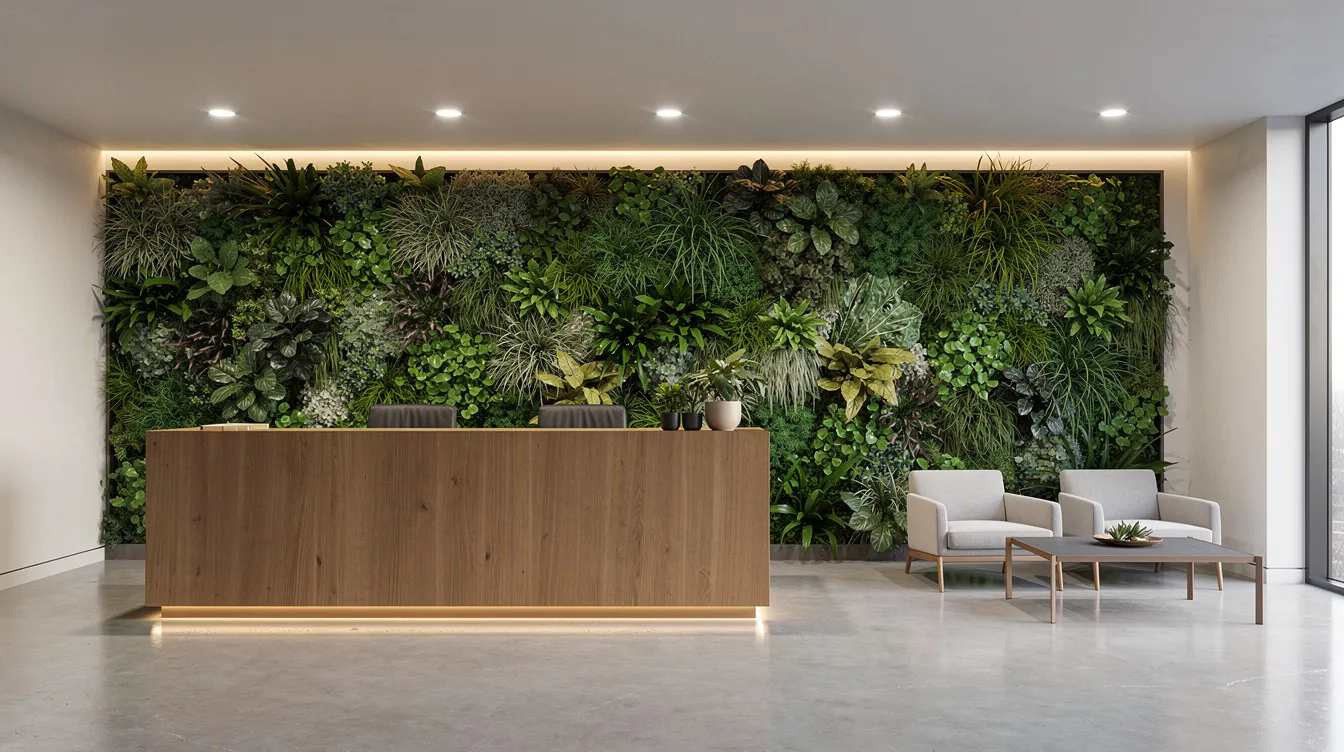
Living rooms and dining rooms are obvious. The spaces that actually reveal good design taste are the ones people don't think about: a bathroom with a lush hanging plant, a hallway with a tall stem either side of the front door, a home office corner with a sculptural ficus, a light-well with an artificial green wall.
These are the moments that make guests stop and notice. Not because the plant is extraordinary, but because it signals that someone thought carefully about a space most people just walk past.
More is rarely more with plants. A room dotted with small, forgettable pots looks like an afterthought. A room with two or three confident, well-placed plants looks designed.
Choose pieces that genuinely suit the scale of the room, position them where they'll do the most work, and resist the urge to fill every surface. Restraint, in interior design, is almost always the right instinct.
There's still a lingering snobbery around artificial plants — the assumption that real is always better. It isn't, and the best designers know it.
Real plants are unpredictable. They drop leaves, change shape as they grow, require specific light conditions, and can look ragged within weeks if the conditions aren't right. Artificial plants hold their form, their colour, and their presence indefinitely — which means the room you style today looks the same in six months.
The quality of premium artificial greenery has also fundamentally changed. The materials, the construction, the way light catches the leaves — in a well-lit room, with a quality product, the difference is invisible. What remains is just a beautiful, considered space.
Not all artificial plants are created equal. These are the products we'd put in our own homes.
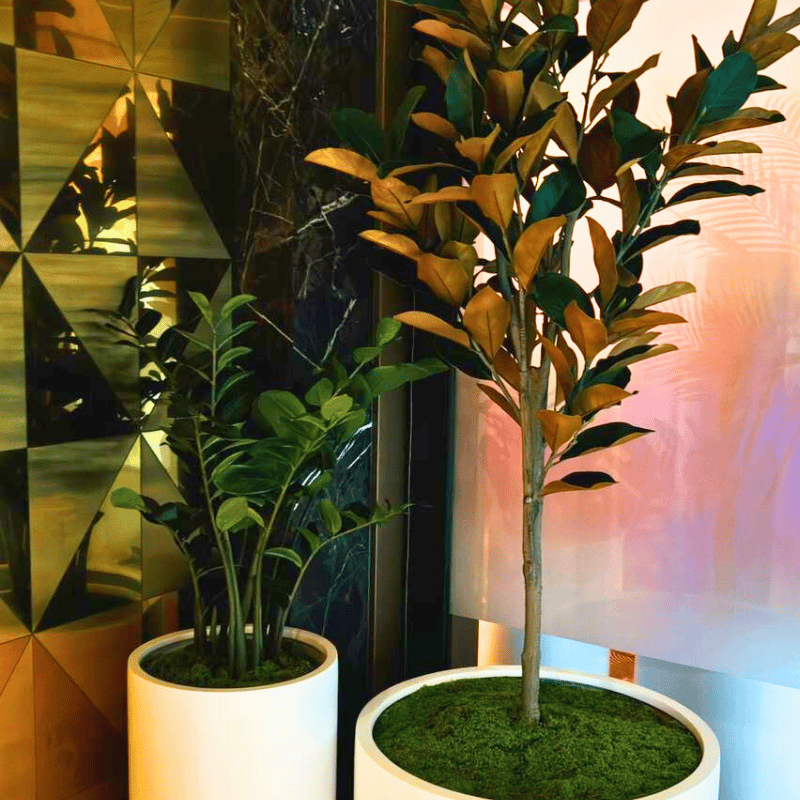
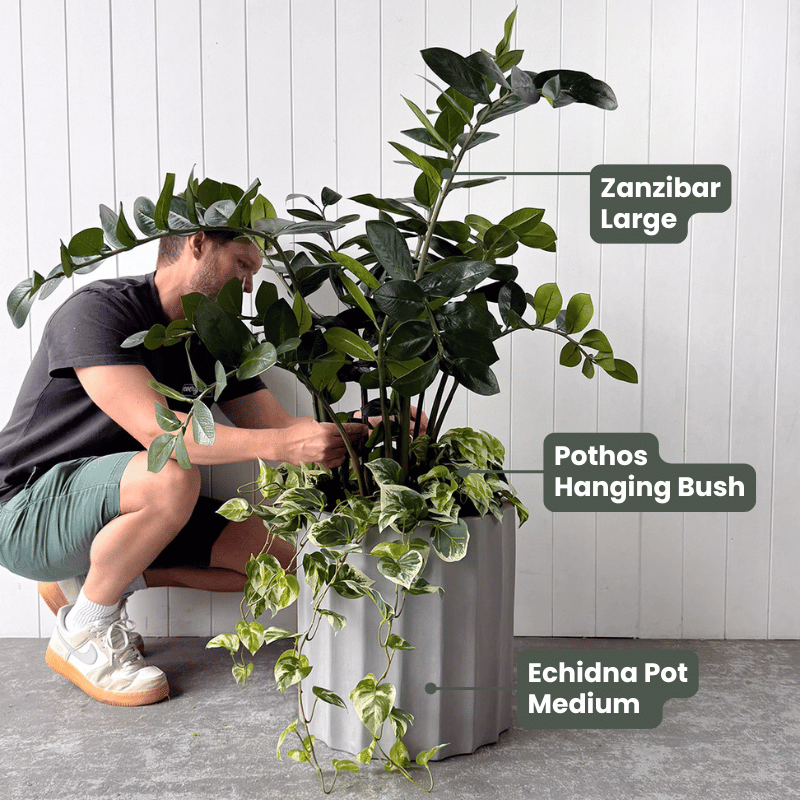
Sculptural, architectural, and impossible to overlook. The Zanzibar's deep green glossy leaves hold their shape beautifully and work in low-light rooms where real plants would struggle.
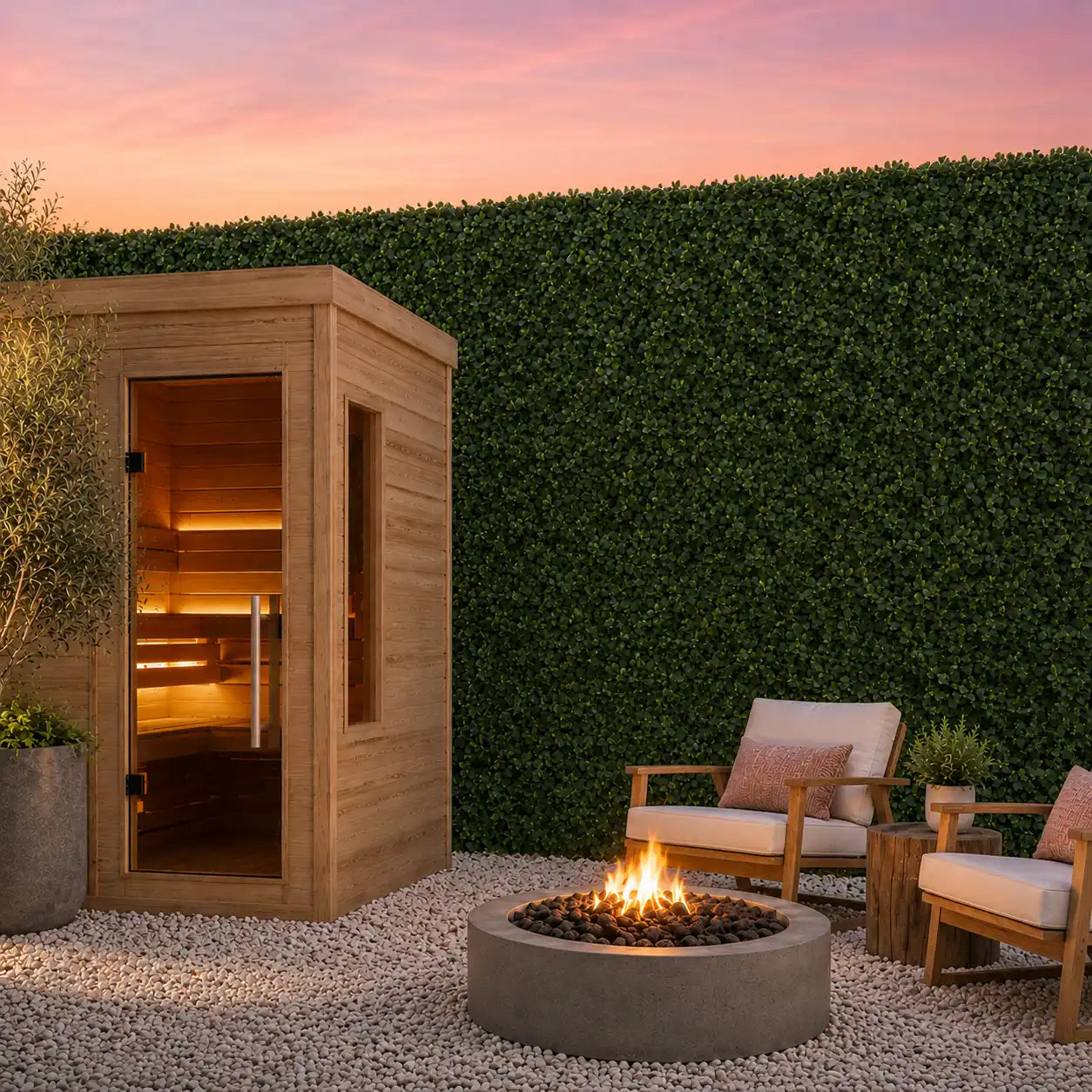
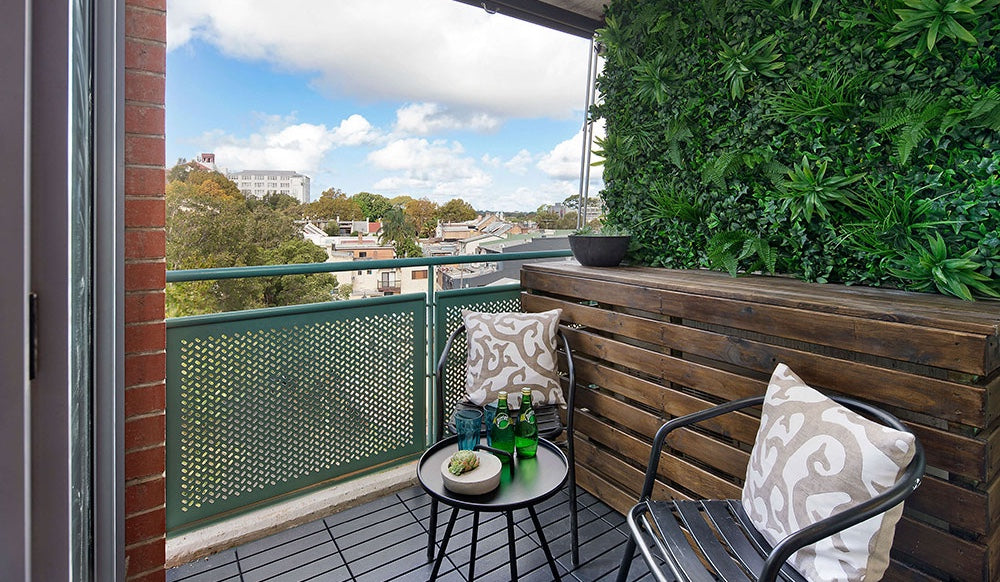
The Coastal Bloom creates a lush, resort-style backdrop that works indoors and out. UV-safe, easy to install, and genuinely dramatic. Style it behind a sofa, a dining table, or a bed head.
The Blossom Style Pack and Lavender Style Pack bring warmth and vibrancy to a wall panel arrangement. Mix them together for depth, or use either alone for a more restrained look.

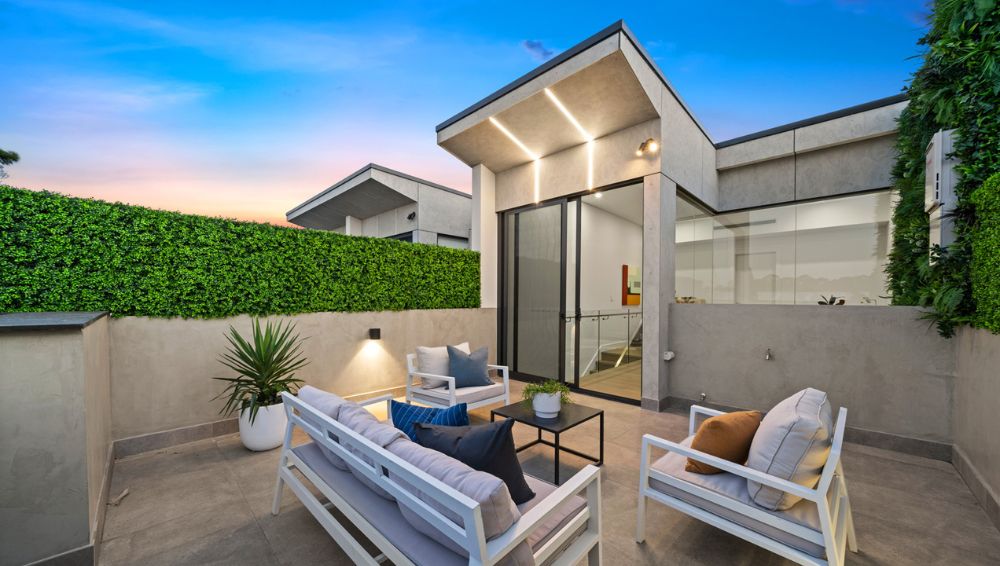
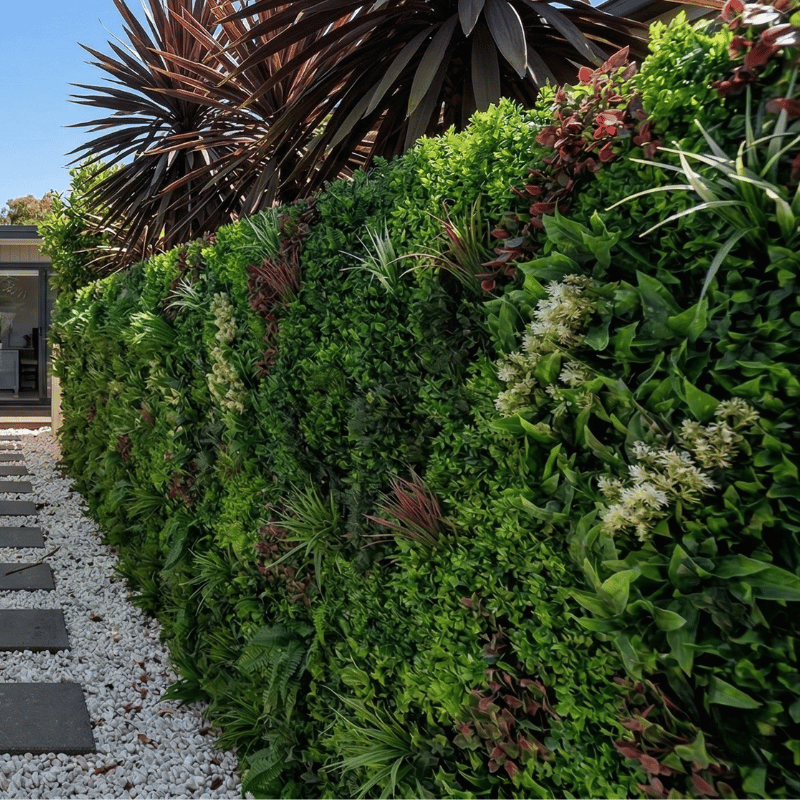

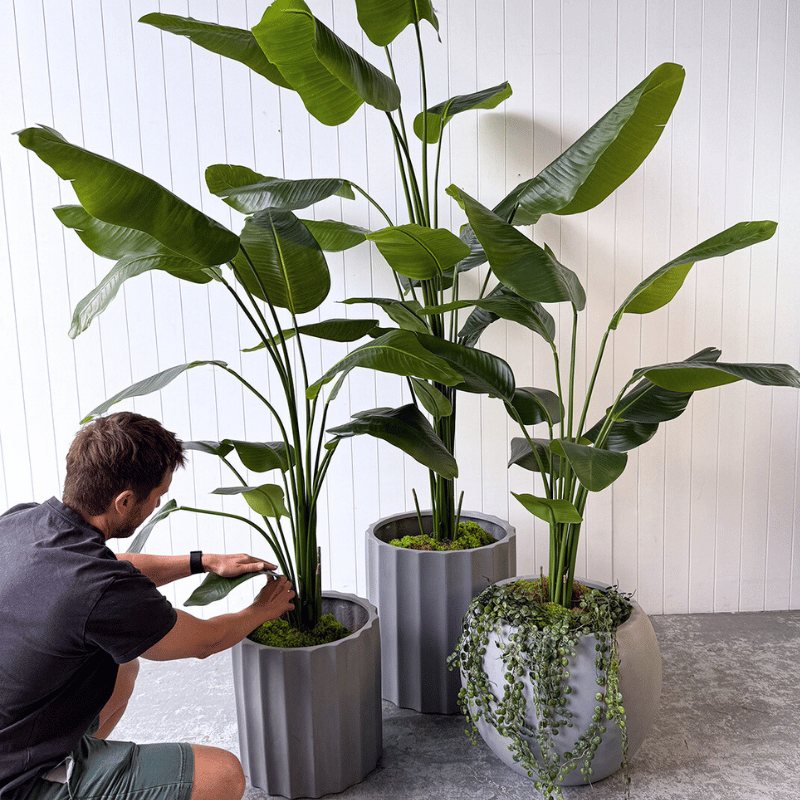

If you are looking for a solution similar to this, our team of designers, project managers, and installers can create a space specific to your needs.

Australia's leaders in the design, supply, and installation of artificial greenery solutions.